BySIZ Column
Characteristics of different skin types
and effective care
This is siz.
How are you coping with the heat?
Today we look at skin types and how to care for them effectively.
Skin is commonly classified as dry, normal, combination or oily. More specific descriptions, such as sensitive or dehydrated skin, are also often used.
What is your skin type? Understanding it can make choosing skincare and cleansing products much easier.
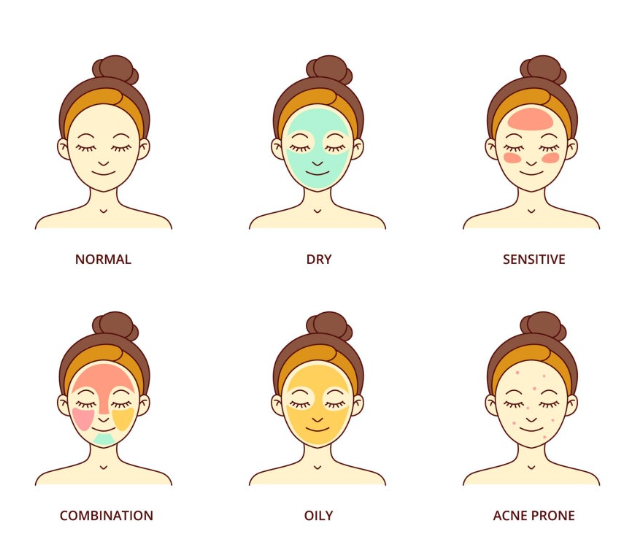
Care varies with skin type
Skin types differ in sebum levels, hydration, sensitivity and how oil is distributed across the face. Let us look at care for each type.
Dry skin
Characteristics
Dry skin tends to lack both oil and moisture. It may flake, make makeup sit unevenly and accentuate fine lines.
Areas that dry easily, such as the eyes and lips, benefit from moisturizing care with products such as eye cream and lip balm.
Care
Excessive washing can irritate the skin. Use around twice a day as a guide; depending on your skin condition, a water-only wash may be enough in the morning.
Gently manage flaky skin around once or twice a week with a mild product containing very fine particles or no particles.
Choose products that replenish both moisture and oil. Applying hydrating products first and finishing with an oil-rich product can help form a moisture-retaining layer.
Normal skin
Characteristics
Normal skin has a relatively balanced level of oil and moisture, without prominent dryness or shine. Its condition can still change with the season and overall health.
Care
Maintain the existing balance. Avoid excessive cleansing and harsh exfoliation, and consistently provide hydration and sun protection.
Oily skin
Characteristics
Oily skin produces more sebum and can become shiny easily. Makeup may wear off readily, and debris may accumulate in pores.
Regularly managing sebum balance matters because acne and breakouts may worsen if left unaddressed.
Care
Cleanse thoroughly each day to prevent excessive buildup of oil and dead skin. Use a mildly acidic cleanser with gentle massaging motions following the skin's texture.
After cleansing, replenish moisture with a lightweight moisturizer to help balance oil and water.
Choose products suited to your skin type. Gentle exfoliation around once or twice a week may also help manage sebum and dead skin.
Combination skin
Characteristics
Combination skin has different characteristics in different areas. It often helps to treat an oily T-zone and a drier U-zone separately.
T-zone
For oilier areas such as the nose and forehead, refer to oily-skin care to manage sebum and shine.
U-zone
For less oily areas such as the cheeks and chin, refer to dry-skin care and provide sufficient hydration and moisturizing care.
Care
For an oily T-zone, double cleansing or lighter products may be useful.
Apply sufficient moisturizer to the dry U-zone after cleansing. Caring for each area differently is the key to combination-skin management.
Sensitive skin
Characteristics
Sensitive skin reacts readily to external stimuli and even small environmental changes. Breakouts, redness and stinging can make care challenging.
Care
Lather the cleanser well and wash with gentle massaging motions to minimize irritation.
Avoid potential irritants such as hot water, alkaline soap and scrubbing towels. Consider low-alcohol products focused on soothing and moisturizing.
Hydroxy acids, some plant extracts, vitamin C, lanolin, propylene glycol and retinoids may irritate some people. Check ingredients and monitor your skin's response.
With sensitive skin, take care with saunas that may remove moisture, excessive facial oil and harsh exfoliation.
If exfoliating, choose a gentle product designed for sensitive skin and monitor frequency and skin response.
What if several types appear together?
If oily, dry, sensitive and combination characteristics coexist in different areas, adapt care to each area's condition rather than insisting on one routine.
For sensitive areas prone to breakouts, minimize irritation during cleansing and use gentle or low-irritation-tested cosmetics lightly.
Skin condition changes with the season, sleep, stress and daily habits, so observe it regularly.
An important daily habit
One of the most important habits is to avoid touching the face repeatedly.
Even minor repeated irritation can burden the skin and contribute to inflammation or pigmentation. Try to reduce habitual face touching.


BySIZ Column
Characteristics of different skin types
and effective care
This is siz.
How are you coping with the heat?
Today we look at skin types and how to care for them effectively.
Skin is commonly classified as dry, normal, combination or oily. More specific descriptions, such as sensitive or dehydrated skin, are also often used.
What is your skin type? Understanding it can make choosing skincare and cleansing products much easier.
Care varies with skin type
Skin types differ in sebum levels, hydration, sensitivity and how oil is distributed across the face. Let us look at care for each type.
Dry skin
Characteristics
Dry skin tends to lack both oil and moisture. It may flake, make makeup sit unevenly and accentuate fine lines.
Areas that dry easily, such as the eyes and lips, benefit from moisturizing care with products such as eye cream and lip balm.
Care
Excessive washing can irritate the skin. Use around twice a day as a guide; depending on your skin condition, a water-only wash may be enough in the morning.
Gently manage flaky skin around once or twice a week with a mild product containing very fine particles or no particles.
Choose products that replenish both moisture and oil. Applying hydrating products first and finishing with an oil-rich product can help form a moisture-retaining layer.
Normal skin
Characteristics
Normal skin has a relatively balanced level of oil and moisture, without prominent dryness or shine. Its condition can still change with the season and overall health.
Care
Maintain the existing balance. Avoid excessive cleansing and harsh exfoliation, and consistently provide hydration and sun protection.
Oily skin
Characteristics
Oily skin produces more sebum and can become shiny easily. Makeup may wear off readily, and debris may accumulate in pores.
Regularly managing sebum balance matters because acne and breakouts may worsen if left unaddressed.
Care
Cleanse thoroughly each day to prevent excessive buildup of oil and dead skin. Use a mildly acidic cleanser with gentle massaging motions following the skin's texture.
After cleansing, replenish moisture with a lightweight moisturizer to help balance oil and water.
Choose products suited to your skin type. Gentle exfoliation around once or twice a week may also help manage sebum and dead skin.
Combination skin
Characteristics
Combination skin has different characteristics in different areas. It often helps to treat an oily T-zone and a drier U-zone separately.
T-zone
For oilier areas such as the nose and forehead, refer to oily-skin care to manage sebum and shine.
U-zone
For less oily areas such as the cheeks and chin, refer to dry-skin care and provide sufficient hydration and moisturizing care.
Care
For an oily T-zone, double cleansing or lighter products may be useful.
Apply sufficient moisturizer to the dry U-zone after cleansing. Caring for each area differently is the key to combination-skin management.
Sensitive skin
Characteristics
Sensitive skin reacts readily to external stimuli and even small environmental changes. Breakouts, redness and stinging can make care challenging.
Care
Lather the cleanser well and wash with gentle massaging motions to minimize irritation.
Avoid potential irritants such as hot water, alkaline soap and scrubbing towels. Consider low-alcohol products focused on soothing and moisturizing.
Hydroxy acids, some plant extracts, vitamin C, lanolin, propylene glycol and retinoids may irritate some people. Check ingredients and monitor your skin's response.
With sensitive skin, take care with saunas that may remove moisture, excessive facial oil and harsh exfoliation.
If exfoliating, choose a gentle product designed for sensitive skin and monitor frequency and skin response.
What if several types appear together?
If oily, dry, sensitive and combination characteristics coexist in different areas, adapt care to each area's condition rather than insisting on one routine.
For sensitive areas prone to breakouts, minimize irritation during cleansing and use gentle or low-irritation-tested cosmetics lightly.
Skin condition changes with the season, sleep, stress and daily habits, so observe it regularly.
An important daily habit
One of the most important habits is to avoid touching the face repeatedly.
Even minor repeated irritation can burden the skin and contribute to inflammation or pigmentation. Try to reduce habitual face touching.