BySIZ Column
Exercises that support
abdominal fitness
Hello, this is siz.
Frequent takeaway meals and reduced activity can lead to weight gain, often noticed around the abdomen.
An expanding waistline can affect appearance and is also something to monitor as part of general health.
Excess abdominal fat may be linked to metabolic health, so combining diet and exercise is a useful approach.
Today we introduce relatively accessible exercises that engage the abdominal muscles.
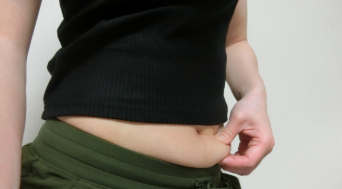
Abdominal fat management requires both exercise and diet
Rather than repeating a single exercise, increase overall activity and adjust your diet as well.
Abdominal exercises can strengthen the core and support posture. Combining them with aerobic exercise and dietary management can better support body-fat reduction.
1. Mountain climbers
Mountain Climber
A movement involving the abdomen and whole body
Start in a push-up position and draw one knee toward the elbow. Keep your arms and torso steady as you move.
Suggested repetitions
Try 3 sets of 30 at a controlled pace rather than rushing as if running. Engage the abdomen to avoid arching the lower back.
2. Bicycle crunches
Bicycle Crunch
A movement engaging the obliques and abdominal muscles
Lie on the floor and raise the upper body about 30–45 degrees to engage the abdominal muscles. Bring an elbow toward the opposite knee in an alternating cross-body movement.
Suggested repetitions
Try 3 sets of 15 repetitions on each side. Avoid pulling on your neck and use your abdominal muscles to move the upper body.
3. Plank
Plank
A movement that strengthens the core
The plank engages the abdominal muscles and helps develop core strength. It also supports whole-body balance.
Suggested duration
Aim for around 3 sets of 60–90 seconds. If that is difficult initially, begin with 20–30 seconds and build up gradually.
4. Aerobic exercise
Aerobic Exercise
A useful addition for managing body fat
Walking, light jogging, cycling and climbing stairs can increase breathing moderately and help manage body fat.
Suggested approach
Start gently with 20–30 minutes in the morning or another convenient time. Exercising on an empty stomach may cause dizziness or fatigue depending on your condition, so avoid overexertion.
Consistency is central to abdominal fitness
We have reviewed several exercises for abdominal fitness. Combining exercise with dietary management is important.
If you frequently eat excessive carbohydrates, late-night snacks or high-calorie takeaway food, gradually adjust portions and include protein and vegetables.
To reduce fat and manage muscle mass, focus on a sustainable exercise routine and eating habits rather than extreme short-term efforts.
If you have back, knee or wrist pain, or an underlying medical condition, avoid strenuous exercise and consult a professional before starting at a suitable intensity.


BySIZ Column
Exercises that support
abdominal fitness
Hello, this is siz.
Frequent takeaway meals and reduced activity can lead to weight gain, often noticed around the abdomen.
An expanding waistline can affect appearance and is also something to monitor as part of general health.
Excess abdominal fat may be linked to metabolic health, so combining diet and exercise is a useful approach.
Today we introduce relatively accessible exercises that engage the abdominal muscles.
Abdominal fat management requires both exercise and diet
Rather than repeating a single exercise, increase overall activity and adjust your diet as well.
Abdominal exercises can strengthen the core and support posture. Combining them with aerobic exercise and dietary management can better support body-fat reduction.
1. Mountain climbers
Mountain Climber
A movement involving the abdomen and whole body
Start in a push-up position and draw one knee toward the elbow. Keep your arms and torso steady as you move.
Suggested repetitions
Try 3 sets of 30 at a controlled pace rather than rushing as if running. Engage the abdomen to avoid arching the lower back.
2. Bicycle crunches
Bicycle Crunch
A movement engaging the obliques and abdominal muscles
Lie on the floor and raise the upper body about 30–45 degrees to engage the abdominal muscles. Bring an elbow toward the opposite knee in an alternating cross-body movement.
Suggested repetitions
Try 3 sets of 15 repetitions on each side. Avoid pulling on your neck and use your abdominal muscles to move the upper body.
3. Plank
Plank
A movement that strengthens the core
The plank engages the abdominal muscles and helps develop core strength. It also supports whole-body balance.
Suggested duration
Aim for around 3 sets of 60–90 seconds. If that is difficult initially, begin with 20–30 seconds and build up gradually.
4. Aerobic exercise
Aerobic Exercise
A useful addition for managing body fat
Walking, light jogging, cycling and climbing stairs can increase breathing moderately and help manage body fat.
Suggested approach
Start gently with 20–30 minutes in the morning or another convenient time. Exercising on an empty stomach may cause dizziness or fatigue depending on your condition, so avoid overexertion.
Consistency is central to abdominal fitness
We have reviewed several exercises for abdominal fitness. Combining exercise with dietary management is important.
If you frequently eat excessive carbohydrates, late-night snacks or high-calorie takeaway food, gradually adjust portions and include protein and vegetables.
To reduce fat and manage muscle mass, focus on a sustainable exercise routine and eating habits rather than extreme short-term efforts.
If you have back, knee or wrist pain, or an underlying medical condition, avoid strenuous exercise and consult a professional before starting at a suitable intensity.