BySIZ Column
Causes of hair loss
and ways to care for your scalp
Hair loss concerns people of all ages. How is your hair doing?
More people, regardless of age or gender, are concerned about hair loss, and younger adults are increasingly interested in hair and scalp health.
Today we review possible causes of hair loss and everyday habits that support scalp health.
Genetics may play a major role, but stress, daily habits, nutrition, hormonal changes and scalp irritation can also contribute.
The cause is not always obvious. Sudden heavy shedding or unusual scalp symptoms are reasons to seek professional advice.
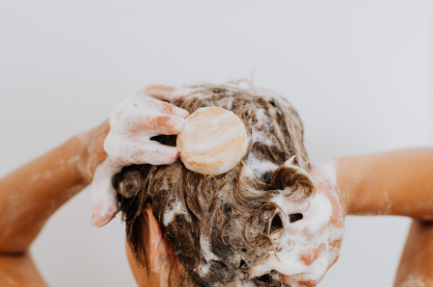
Causes of hair loss
We often hear that hair loss is hereditary. Genetic influences are indeed among its important causes.
Other factors may also contribute, including severe stress, poor diet and routines, excessive drinking and smoking, extreme dieting, frequent chemical treatments and sudden hormonal changes.
When to consider medical assessment
Sudden heavy shedding, round bald patches or scalp itching with inflammation are better assessed medically than addressed through daily care alone.
1. Review your hair-washing habits
Some people use too much shampoo or apply it directly to the scalp to create lather, hoping for a more thorough cleanse.
Scrubbing hard with fingernails or shampooing for too long can irritate the scalp, so take care.
Use a moderate amount of shampoo
Lather shampoo in your palms first, then distribute it over the hair and scalp and cleanse gently.
Use fingertips gently instead of fingernails
Use your fingertips or a gentle scalp massage tool to cleanse thoroughly, rather than scratching with your nails.
Dry the scalp thoroughly
After washing, dry the scalp with lukewarm or ambient air rather than prolonged hot airflow.
Washing in the evening can remove oil and debris accumulated during the day. Dry the scalp well before going to bed.
2. Reduce alcohol and smoking
Excessive drinking and smoking may adversely affect scalp and hair health as well as general health.
Heavy drinking can affect overall condition, circulation and sleep quality, making it harder to maintain a healthy environment for hair.
Smoking may also increase inflammation throughout the body and burden hair health, so reducing or stopping it is recommended where possible.
3. Reduce coloring, bleaching and perms
Frequent coloring increases the chance of hair damage, while perms and bleaching can leave hair dry and weak.
Although styling may be difficult to give up, allow sufficient time between chemical treatments and trim damaged ends regularly.
Moisturize and protect after chemical treatments
Hair may become dry after coloring, bleaching or perming. Use conditioning treatments or hair masks to help replenish moisture.
4. Choose a suitable brush and gentle scalp massage
Brushing affects hair too. Choose a soft brush or wide-toothed comb rather than pulling hard with a fine-toothed plastic comb.
Untangle knots first and brush gently from the inside outward, rather than dragging strongly from top to bottom.
Gentle scalp massage once or twice a week
Scalp massage may help relieve tension and gently stimulate the scalp. Use light fingertip pressure and keep it comfortable.
Coconut, rosemary and lavender oils are sometimes mentioned for scalp care, but they may irritate some people. Test a small amount first and avoid them if your scalp is sensitive.
5. Pay attention to nutrition
Adequate nutrition matters for hair health. Extreme dieting or very low calorie intake can weaken hair.
Iron-containing foods
Include a balanced selection of foods containing iron, such as chicken, fish and green vegetables.
Protein-rich foods
Seafood, milk, eggs, beans and pork are examples of protein-rich foods that can support hair care.
Vitamin-rich fruit and vegetables
Fruit rich in vitamin C and a variety of vegetables also support general health.
Just as exercise is harder to benefit from with an inadequate diet, balanced nutrition is essential to scalp and hair care.
Start with small changes in daily habits
We have reviewed causes of hair loss and everyday habits that support scalp health.
It is best to investigate hair loss early and establish a care plan. Begin changing small habits to create a scalp environment that supports healthy, fuller hair.


BySIZ Column
Causes of hair loss
and ways to care for your scalp
Hair loss concerns people of all ages. How is your hair doing?
More people, regardless of age or gender, are concerned about hair loss, and younger adults are increasingly interested in hair and scalp health.
Today we review possible causes of hair loss and everyday habits that support scalp health.
Genetics may play a major role, but stress, daily habits, nutrition, hormonal changes and scalp irritation can also contribute.
The cause is not always obvious. Sudden heavy shedding or unusual scalp symptoms are reasons to seek professional advice.
Causes of hair loss
We often hear that hair loss is hereditary. Genetic influences are indeed among its important causes.
Other factors may also contribute, including severe stress, poor diet and routines, excessive drinking and smoking, extreme dieting, frequent chemical treatments and sudden hormonal changes.
When to consider medical assessment
Sudden heavy shedding, round bald patches or scalp itching with inflammation are better assessed medically than addressed through daily care alone.
1. Review your hair-washing habits
Some people use too much shampoo or apply it directly to the scalp to create lather, hoping for a more thorough cleanse.
Scrubbing hard with fingernails or shampooing for too long can irritate the scalp, so take care.
Use a moderate amount of shampoo
Lather shampoo in your palms first, then distribute it over the hair and scalp and cleanse gently.
Use fingertips gently instead of fingernails
Use your fingertips or a gentle scalp massage tool to cleanse thoroughly, rather than scratching with your nails.
Dry the scalp thoroughly
After washing, dry the scalp with lukewarm or ambient air rather than prolonged hot airflow.
Washing in the evening can remove oil and debris accumulated during the day. Dry the scalp well before going to bed.
2. Reduce alcohol and smoking
Excessive drinking and smoking may adversely affect scalp and hair health as well as general health.
Heavy drinking can affect overall condition, circulation and sleep quality, making it harder to maintain a healthy environment for hair.
Smoking may also increase inflammation throughout the body and burden hair health, so reducing or stopping it is recommended where possible.
3. Reduce coloring, bleaching and perms
Frequent coloring increases the chance of hair damage, while perms and bleaching can leave hair dry and weak.
Although styling may be difficult to give up, allow sufficient time between chemical treatments and trim damaged ends regularly.
Moisturize and protect after chemical treatments
Hair may become dry after coloring, bleaching or perming. Use conditioning treatments or hair masks to help replenish moisture.
4. Choose a suitable brush and gentle scalp massage
Brushing affects hair too. Choose a soft brush or wide-toothed comb rather than pulling hard with a fine-toothed plastic comb.
Untangle knots first and brush gently from the inside outward, rather than dragging strongly from top to bottom.
Gentle scalp massage once or twice a week
Scalp massage may help relieve tension and gently stimulate the scalp. Use light fingertip pressure and keep it comfortable.
Coconut, rosemary and lavender oils are sometimes mentioned for scalp care, but they may irritate some people. Test a small amount first and avoid them if your scalp is sensitive.
5. Pay attention to nutrition
Adequate nutrition matters for hair health. Extreme dieting or very low calorie intake can weaken hair.
Iron-containing foods
Include a balanced selection of foods containing iron, such as chicken, fish and green vegetables.
Protein-rich foods
Seafood, milk, eggs, beans and pork are examples of protein-rich foods that can support hair care.
Vitamin-rich fruit and vegetables
Fruit rich in vitamin C and a variety of vegetables also support general health.
Just as exercise is harder to benefit from with an inadequate diet, balanced nutrition is essential to scalp and hair care.
Start with small changes in daily habits
We have reviewed causes of hair loss and everyday habits that support scalp health.
It is best to investigate hair loss early and establish a care plan. Begin changing small habits to create a scalp environment that supports healthy, fuller hair.