ZAVO KEY DOCTOR
Dr. Su-Hyeon Kim on individualized planning, from consultation to follow-up
Aube Clinic | Dr. Su-Hyeon Kim | ZAVO Key Doctor KOL
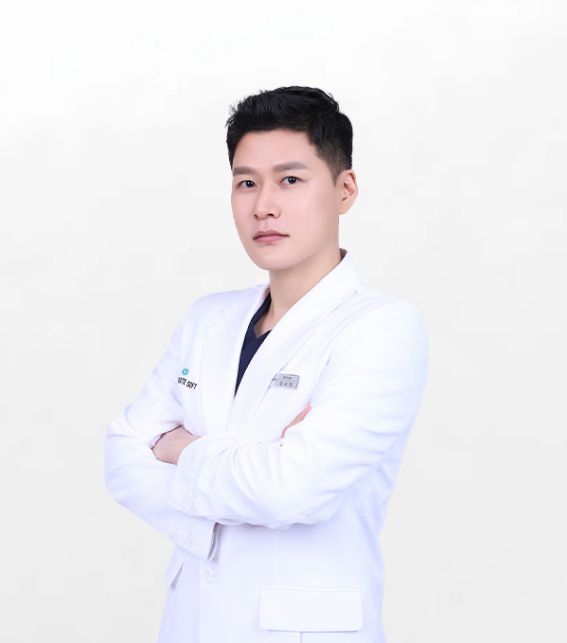
Before deciding which thread to use, there are other things to assess: the skin, signs of previous procedures, the change a patient wants and the discomfort they hope to avoid. Drawing on experience in thread lifting and the treatment of complications, Dr. Su-Hyeon Kim of Aube Clinic emphasizes identifying conditions that may create problems. For him, personalization extends beyond a combination of products to consultation and follow-up.
Why begin with the history of previous procedures?
Similar-looking sagging can require different assessments depending on earlier treatments. Dr. Kim first reviews when a procedure took place, which materials were used, when discomfort began and how skin changes developed. When earlier records are uncertain, he accounts for that uncertainty and takes a conservative approach.
If an existing thread can be felt or adhesion is suspected, understanding the current condition takes priority over adding another thread. Appropriate assessment or observation comes before deciding whether a new procedure is suitable.
What does a one-patient-at-a-time consultation explore?
The one-patient-at-a-time principle and direct, one-to-one consultation are intended to clarify the patient's condition and expectations. Dr. Kim considers sagging, hollowing, skin quality and facial movement, listening to concerns about discomfort as carefully as the desired change.
The purpose is not to decide a thread count that fits a budget. It is to agree on priorities and the degree of change that may reasonably be expected. Reducing or postponing treatment can be part of that discussion.
How is ZAVO THREAD selected?
Dr. Kim considers ZAVO THREAD a planning tool assessed against the goals for each area, not a product to apply identically to every face. ZAVO SHORTS and TRIMESH are options he considers for localized support; ZAVO LONGS and the TESSCONE range are considered when assessing the direction of sagging tissue.
A product name does not establish suitability. Skin thickness, tissue condition and previous procedures can change the decision, and another treatment or observation may take priority. The important question is not which thread is better in general, but what this face needs now.
Why begin with only the intervention that is needed?
Dr. Kim considers facial balance and post-treatment discomfort alongside the strength of traction or the number of threads. Even with the same mesh structure, thin skin and highly mobile areas are not treated identically; the plan is adjusted to the patient's tissue condition.
Unexpected medical history or concerns identified during consultation and examination may lead to a smaller plan or a delay. Recording the procedure and materials used, then observing the subsequent course, also forms part of personalized planning.
How should discomfort after treatment be assessed?
A central part of follow-up is listening carefully to the patient. Dr. Kim asks when discomfort began, which movements aggravate it and how the skin has changed. He does not draw conclusions from photographs alone or label every symptom as normal recovery; an in-person examination may be needed.
Thread lifting carries risks including swelling, bruising, infection, persistent pain and thread exposure. Recovery varies between individuals. Before treatment, patients should receive clear information about expected changes and situations that require medical attention, and contact their clinician about concerning symptoms.
Sharing the reasons for choices, and their limitations
As a ZAVO Key Doctor, Dr. Kim aims to share more than product advantages: the conditions under which he considered treatment, when observation or other care was needed, and what he checked during recovery.
Understanding the possibility of complications, allowing time for consultation, planning only the intervention that is needed and reviewing later changes are all part of his approach. Personalized thread lifting means retaining the choices that serve the individual patient.
General thread-lift risks and safety information: American Society of Plastic Surgeons
This column provides general information and does not replace an individual diagnosis or a treatment recommendation. Suitability, results and recovery vary between individuals. Please consult your treating clinician.


ZAVO KEY DOCTOR
Dr. Su-Hyeon Kim on individualized planning, from consultation to follow-up
Aube Clinic | Dr. Su-Hyeon Kim | ZAVO Key Doctor KOL
Before deciding which thread to use, there are other things to assess: the skin, signs of previous procedures, the change a patient wants and the discomfort they hope to avoid. Drawing on experience in thread lifting and the treatment of complications, Dr. Su-Hyeon Kim of Aube Clinic emphasizes identifying conditions that may create problems. For him, personalization extends beyond a combination of products to consultation and follow-up.
Why begin with the history of previous procedures?
Similar-looking sagging can require different assessments depending on earlier treatments. Dr. Kim first reviews when a procedure took place, which materials were used, when discomfort began and how skin changes developed. When earlier records are uncertain, he accounts for that uncertainty and takes a conservative approach.
If an existing thread can be felt or adhesion is suspected, understanding the current condition takes priority over adding another thread. Appropriate assessment or observation comes before deciding whether a new procedure is suitable.
What does a one-patient-at-a-time consultation explore?
The one-patient-at-a-time principle and direct, one-to-one consultation are intended to clarify the patient's condition and expectations. Dr. Kim considers sagging, hollowing, skin quality and facial movement, listening to concerns about discomfort as carefully as the desired change.
The purpose is not to decide a thread count that fits a budget. It is to agree on priorities and the degree of change that may reasonably be expected. Reducing or postponing treatment can be part of that discussion.
How is ZAVO THREAD selected?
Dr. Kim considers ZAVO THREAD a planning tool assessed against the goals for each area, not a product to apply identically to every face. ZAVO SHORTS and TRIMESH are options he considers for localized support; ZAVO LONGS and the TESSCONE range are considered when assessing the direction of sagging tissue.
A product name does not establish suitability. Skin thickness, tissue condition and previous procedures can change the decision, and another treatment or observation may take priority. The important question is not which thread is better in general, but what this face needs now.
Why begin with only the intervention that is needed?
Dr. Kim considers facial balance and post-treatment discomfort alongside the strength of traction or the number of threads. Even with the same mesh structure, thin skin and highly mobile areas are not treated identically; the plan is adjusted to the patient's tissue condition.
Unexpected medical history or concerns identified during consultation and examination may lead to a smaller plan or a delay. Recording the procedure and materials used, then observing the subsequent course, also forms part of personalized planning.
How should discomfort after treatment be assessed?
A central part of follow-up is listening carefully to the patient. Dr. Kim asks when discomfort began, which movements aggravate it and how the skin has changed. He does not draw conclusions from photographs alone or label every symptom as normal recovery; an in-person examination may be needed.
Thread lifting carries risks including swelling, bruising, infection, persistent pain and thread exposure. Recovery varies between individuals. Before treatment, patients should receive clear information about expected changes and situations that require medical attention, and contact their clinician about concerning symptoms.
Sharing the reasons for choices, and their limitations
As a ZAVO Key Doctor, Dr. Kim aims to share more than product advantages: the conditions under which he considered treatment, when observation or other care was needed, and what he checked during recovery.
Understanding the possibility of complications, allowing time for consultation, planning only the intervention that is needed and reviewing later changes are all part of his approach. Personalized thread lifting means retaining the choices that serve the individual patient.
General thread-lift risks and safety information: American Society of Plastic Surgeons
This column provides general information and does not replace an individual diagnosis or a treatment recommendation. Suitability, results and recovery vary between individuals. Please consult your treating clinician.