ZAVO KEY DOCTOR
Dr. Hyung-Seok Kim on planning facial contours in relation to the neck and shoulders
S Line V Line Clinic | Dr. Hyung-Seok Kim | ZAVO Key Doctor KOL
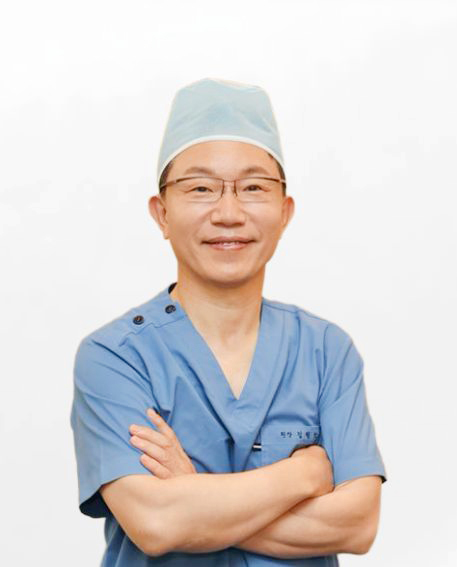
Discussion of a V-line often focuses on the tip of the chin. Dr. Hyung-Seok Kim of S Line V Line Clinic looks more broadly: at the relationship between the face, neck and shoulders, the volume that should be preserved, and the impression a patient wants. Drawing on his experience in body-contouring care, his goal in facial planning is balance that suits each individual, rather than a uniformly small or sharp outline.
The facial contour continues into the neck and shoulders
Dr. Kim considers a close-up view of the face alone insufficient to understand its overall impression. Alongside frontal, oblique and profile views, he assesses photographs that include the collarbones and shoulders. This helps him consider whether a change to the jawline also sits naturally within the upper body.
Posture and habitual expressions also matter. Instead of fitting facial width or the angle of the jaw to one standard, he listens first to the character a patient wants to retain and the changes they seek. Narrowing the jawline is not always the priority; cheekbone and mid-cheek volume must also be considered.
Similar-looking fullness under the chin can have different causes
A concern about fullness under the chin does not, by itself, determine treatment. Dr. Kim emphasizes distinguishing fat from skin laxity and assessing neighboring structures, including muscle and bone. Similar appearances may call for different approaches and sequences depending on the main cause.
He does not view ZAVO THREAD as a tool that addresses every cause. He first considers whether another approach should take priority or whether thread-based support is appropriate. Weight changes and everyday habits are also discussed, with a distinction between the changes treatment may offer and those it may not resolve.
Considering traction and support together
When selecting ZAVO THREAD, Dr. Kim distinguishes traction from support. He considers ZAVO LONGS and the TESSCONE range when assessing direction around the lateral cheeks and jawline, and TRIMESH or ZAVO SHORTS when localized support around the mid-cheek or nasolabial area is under consideration.
The aim is not to pull one area as strongly as possible. Planning the jawline also involves reviewing midface volume, hollow-looking areas and the connections across the face. Tissue condition and treatment goals come before any combination of products.
The same product is not applied identically to every face. Suitability varies with skin condition and treatment history. The required role is identified first, and the method is selected accordingly.
Assessing balance through follow-up, not just immediately afterward
Dr. Kim emphasizes not rushing into additional treatment on the basis of the immediate appearance. Swelling and changes during recovery should be reviewed, with further decisions based on reassessment. Observation does not mean enduring every discomfort without action; it means investigating changes and responding appropriately.
Thread lifting carries risks including swelling, bruising, infection, persistent pain and thread exposure. Results and recovery vary. Patients need clear information about expected changes and warning symptoms, and should discuss concerning discomfort with their clinician.
The contour Dr. Kim pursues is not a reproduction of a fashionable shape. It involves reading the proportions of the face, neck and shoulders, distinguishing where traction is needed from volume that should remain, and considering the appearance after recovery. Finding a balance that suits the individual is the starting point of his personalized approach.
General thread-lift risks and safety information: American Society of Plastic Surgeons
This column provides general information and does not replace an individual diagnosis or a treatment recommendation. Suitability, results and recovery vary between individuals. Please consult your treating clinician.


ZAVO KEY DOCTOR
Dr. Hyung-Seok Kim on planning facial contours in relation to the neck and shoulders
S Line V Line Clinic | Dr. Hyung-Seok Kim | ZAVO Key Doctor KOL
Discussion of a V-line often focuses on the tip of the chin. Dr. Hyung-Seok Kim of S Line V Line Clinic looks more broadly: at the relationship between the face, neck and shoulders, the volume that should be preserved, and the impression a patient wants. Drawing on his experience in body-contouring care, his goal in facial planning is balance that suits each individual, rather than a uniformly small or sharp outline.
The facial contour continues into the neck and shoulders
Dr. Kim considers a close-up view of the face alone insufficient to understand its overall impression. Alongside frontal, oblique and profile views, he assesses photographs that include the collarbones and shoulders. This helps him consider whether a change to the jawline also sits naturally within the upper body.
Posture and habitual expressions also matter. Instead of fitting facial width or the angle of the jaw to one standard, he listens first to the character a patient wants to retain and the changes they seek. Narrowing the jawline is not always the priority; cheekbone and mid-cheek volume must also be considered.
Similar-looking fullness under the chin can have different causes
A concern about fullness under the chin does not, by itself, determine treatment. Dr. Kim emphasizes distinguishing fat from skin laxity and assessing neighboring structures, including muscle and bone. Similar appearances may call for different approaches and sequences depending on the main cause.
He does not view ZAVO THREAD as a tool that addresses every cause. He first considers whether another approach should take priority or whether thread-based support is appropriate. Weight changes and everyday habits are also discussed, with a distinction between the changes treatment may offer and those it may not resolve.
Considering traction and support together
When selecting ZAVO THREAD, Dr. Kim distinguishes traction from support. He considers ZAVO LONGS and the TESSCONE range when assessing direction around the lateral cheeks and jawline, and TRIMESH or ZAVO SHORTS when localized support around the mid-cheek or nasolabial area is under consideration.
The aim is not to pull one area as strongly as possible. Planning the jawline also involves reviewing midface volume, hollow-looking areas and the connections across the face. Tissue condition and treatment goals come before any combination of products.
The same product is not applied identically to every face. Suitability varies with skin condition and treatment history. The required role is identified first, and the method is selected accordingly.
Assessing balance through follow-up, not just immediately afterward
Dr. Kim emphasizes not rushing into additional treatment on the basis of the immediate appearance. Swelling and changes during recovery should be reviewed, with further decisions based on reassessment. Observation does not mean enduring every discomfort without action; it means investigating changes and responding appropriately.
Thread lifting carries risks including swelling, bruising, infection, persistent pain and thread exposure. Results and recovery vary. Patients need clear information about expected changes and warning symptoms, and should discuss concerning discomfort with their clinician.
The contour Dr. Kim pursues is not a reproduction of a fashionable shape. It involves reading the proportions of the face, neck and shoulders, distinguishing where traction is needed from volume that should remain, and considering the appearance after recovery. Finding a balance that suits the individual is the starting point of his personalized approach.
General thread-lift risks and safety information: American Society of Plastic Surgeons
This column provides general information and does not replace an individual diagnosis or a treatment recommendation. Suitability, results and recovery vary between individuals. Please consult your treating clinician.