ZAVO KEY DOCTOR
Dr. Yong-Hoon Lee on mesh-lifting plans informed by expression, shadow and volume
GENERLESS Clinic, Cheonho | Dr. Yong-Hoon Lee | ZAVO Advisory KOL
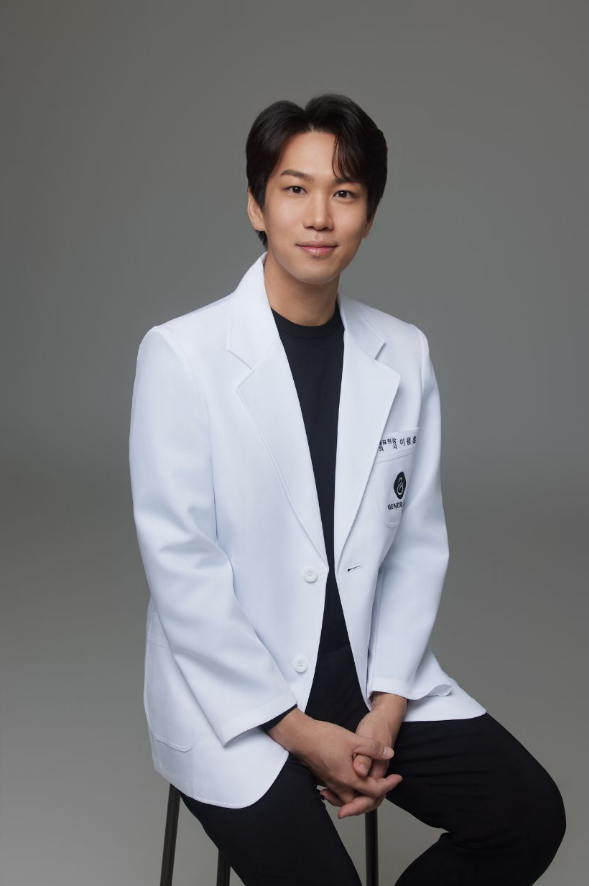
A concern about nasolabial folds does not mean looking only at one line. Dr. Yong-Hoon Lee of GENERLESS Clinic, Cheonho considers where light falls on the mid-cheek, the shadow between the lower eyelid and cheek, and the transition from the mouth to the jawline. Before deciding how much to lift a visible line, he aims to understand the structures behind that line and shadow.
Reading the connections across the face
Dr. Lee uses the idea of a facial map to explain concerns by area and potential cause. He considers how the mid-cheek meets the lower eyelid, whether support near a nasolabial fold is needed, and which changes stand out around the mouth and jawline. Similar-looking shadows may lead to different considerations of volume, support or traction.
Consultation includes frontal, oblique and profile views, as well as moments of speaking and smiling. The aim is to understand both the outline in a still image and movement during expression. Rather than pulling every area in one direction, he emphasizes distinguishing the intervention each person may need.
Volume support and traction have different roles
Dr. Lee explains the ZAVO THREAD range in terms of supporting volume and addressing the direction of tissue movement. ZAVO SHORTS and TRIMESH are options he considers for localized support; ZAVO LONGS and the TESSCONE range are considered for directional traction. Defining the facial concern comes before selecting a product.
The goal is not simplified to removing every wrinkle. He discusses how to support transitions around hollow-looking areas, whether volume or sagging should take priority, and how much of the existing impression should be preserved. These are intended directions of change, not guarantees that a product will deliver identical results.
Suitability varies with skin thickness, the degree of sagging and previous procedures. When other treatments are considered, he emphasizes defining each purpose and sequence and reviewing tissue response and follow-up, rather than applying many methods at once.
Defining goals and follow-up points before thread counts
At the end of a consultation, Dr. Lee reviews priorities with the patient. Current concerns, the intended changes and points to assess at the next visit are recorded in photographs and notes. Choices deferred for now are also documented so later evaluation does not rely only on memory or a vague impression.
He considers it important to distinguish immediate changes from those assessed over time. When an inflammatory skin condition or unclear treatment history requires further investigation, assessment comes first. Considering other care or advising against a procedure can also be part of clinical judgment.
Thread lifting carries risks including swelling, bruising, infection, persistent pain and thread exposure, and results and recovery differ between individuals. Patients should receive information about potential changes, limitations and symptoms to watch for, and discuss concerning discomfort with their clinician.
An advisory role that shares the reasons behind decisions
As a ZAVO advisor, Dr. Lee values sharing not only why he selected a product for a particular face, but also why he decided against it. He aims for the reasoning and follow-up seen in clinical practice to inform educational content and discussions about product development.
His approach puts the basis for assessment before the strength of a pull, a course that can be explained before a momentary change, and an individual's expression before a fashionable shape. Translating facial shadows and movement into language the patient can understand is central to his mesh-lifting perspective.
General thread-lift risks and safety information: American Society of Plastic Surgeons
This column provides general information and does not replace an individual diagnosis or a treatment recommendation. Suitability, results and recovery vary between individuals. Please consult your treating clinician.


ZAVO KEY DOCTOR
Dr. Yong-Hoon Lee on mesh-lifting plans informed by expression, shadow and volume
GENERLESS Clinic, Cheonho | Dr. Yong-Hoon Lee | ZAVO Advisory KOL
A concern about nasolabial folds does not mean looking only at one line. Dr. Yong-Hoon Lee of GENERLESS Clinic, Cheonho considers where light falls on the mid-cheek, the shadow between the lower eyelid and cheek, and the transition from the mouth to the jawline. Before deciding how much to lift a visible line, he aims to understand the structures behind that line and shadow.
Reading the connections across the face
Dr. Lee uses the idea of a facial map to explain concerns by area and potential cause. He considers how the mid-cheek meets the lower eyelid, whether support near a nasolabial fold is needed, and which changes stand out around the mouth and jawline. Similar-looking shadows may lead to different considerations of volume, support or traction.
Consultation includes frontal, oblique and profile views, as well as moments of speaking and smiling. The aim is to understand both the outline in a still image and movement during expression. Rather than pulling every area in one direction, he emphasizes distinguishing the intervention each person may need.
Volume support and traction have different roles
Dr. Lee explains the ZAVO THREAD range in terms of supporting volume and addressing the direction of tissue movement. ZAVO SHORTS and TRIMESH are options he considers for localized support; ZAVO LONGS and the TESSCONE range are considered for directional traction. Defining the facial concern comes before selecting a product.
The goal is not simplified to removing every wrinkle. He discusses how to support transitions around hollow-looking areas, whether volume or sagging should take priority, and how much of the existing impression should be preserved. These are intended directions of change, not guarantees that a product will deliver identical results.
Suitability varies with skin thickness, the degree of sagging and previous procedures. When other treatments are considered, he emphasizes defining each purpose and sequence and reviewing tissue response and follow-up, rather than applying many methods at once.
Defining goals and follow-up points before thread counts
At the end of a consultation, Dr. Lee reviews priorities with the patient. Current concerns, the intended changes and points to assess at the next visit are recorded in photographs and notes. Choices deferred for now are also documented so later evaluation does not rely only on memory or a vague impression.
He considers it important to distinguish immediate changes from those assessed over time. When an inflammatory skin condition or unclear treatment history requires further investigation, assessment comes first. Considering other care or advising against a procedure can also be part of clinical judgment.
Thread lifting carries risks including swelling, bruising, infection, persistent pain and thread exposure, and results and recovery differ between individuals. Patients should receive information about potential changes, limitations and symptoms to watch for, and discuss concerning discomfort with their clinician.
An advisory role that shares the reasons behind decisions
As a ZAVO advisor, Dr. Lee values sharing not only why he selected a product for a particular face, but also why he decided against it. He aims for the reasoning and follow-up seen in clinical practice to inform educational content and discussions about product development.
His approach puts the basis for assessment before the strength of a pull, a course that can be explained before a momentary change, and an individual's expression before a fashionable shape. Translating facial shadows and movement into language the patient can understand is central to his mesh-lifting perspective.
General thread-lift risks and safety information: American Society of Plastic Surgeons
This column provides general information and does not replace an individual diagnosis or a treatment recommendation. Suitability, results and recovery vary between individuals. Please consult your treating clinician.